
Little Free Libraries are small book-sharing boxes that let you take or leave books for free in your neighborhood. A few years ago, we inspected an apartment for a client who could not figure out where their bed bugs came from. They had not traveled recently, had not purchased used furniture, and considered themselves extremely careful overall. The clue here is that they “thought” they were careful, but they made a big oversight.
During the inspection, they mentioned one habit almost in passing. Every few weeks, they stopped at a neighborhood Little Free Library and brought home a few used books.
That detail immediately stood out to me.
Now, to be clear, Little Free Libraries themselves are usually very low risk. Especially because they are exposed to extreme heat and cold due to temperature fluctuations. Plus, most books inside are completely fine. But bed bugs are excellent hitchhikers, and anything that moves from home to home can occasionally transport them. In this case, the client remembered bringing home an older hardcover book. They let this sit in their bedroom nightstand for weeks before the bites started appearing.
We never recovered a live bug directly from the book itself, so there is no way to prove with 100% certainty that it was the original source. However, they showed me a photo of what looked like bed bug droppings on the binding. And the timeline made sense, so it changed the way the client handled used books going forward.
Together, we came up with a simple routine:
- Books stay isolated in a plastic bag as soon as you get them.
- Every time, place the plastic bag with the book in the freezer for a week.
- Larger batches of books will be treated inside a Thermal Strike Ranger heater.
The client still uses Little Free Libraries today. They just approach them a little more strategically now.
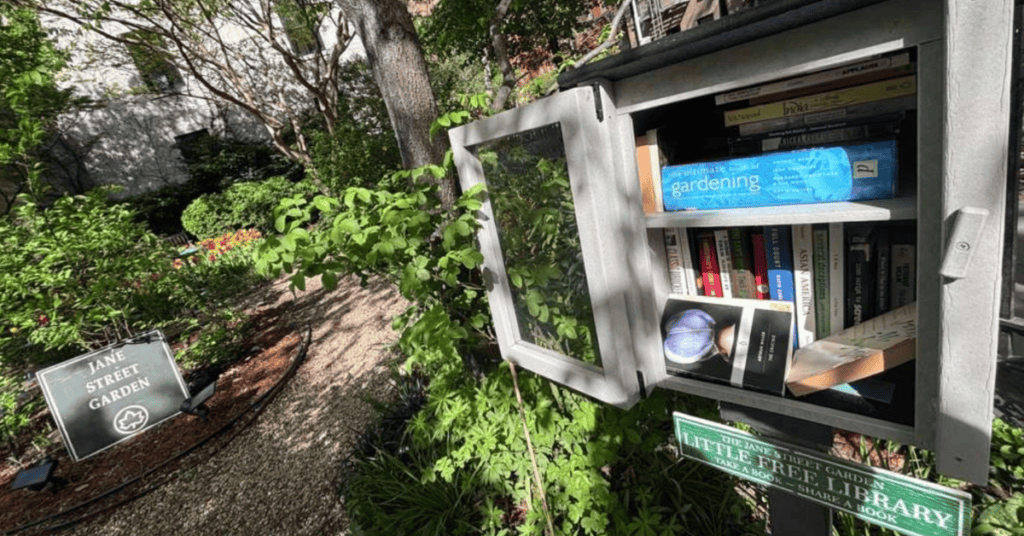
Understanding Little Free Libraries and Book Safety
Little Free Libraries are community book-sharing boxes that operate on trust and goodwill. These small structures provide free access to books for anyone who wants to read. However, it’s important to understand how they work and the safety considerations associated with their use.
What Is a Little Free Library?
A Little Free Library is a small wooden box where people can freely take and share books. You don’t need to pay anything or sign up for a membership. The system works on honor, meaning you can take a book without leaving one behind.
Each registered Little Free Library has a steward who takes care of it. This person keeps the box clean and in good condition. However, everyone who uses the library shares responsibility for keeping it stocked with quality books.
You’ll find these boxes in many places around your neighborhood. They appear in front yards, parks, community centers, and schools. Right now, there are nearly 200,000 Little Free Libraries around the world.
Read the full and complete guide on bed bugs and books
Spotting Potential Bed Bug Risks in Books
Bed bugs leave specific signs in books that you can spot before bringing them home. However, even if you don’t see any signs of bugs, we would suggest you always either freeze the books or put them in a Thermal Strike Ranger.
Here is our affiliate link; we earn a tiny commission if you buy through it.

- [Lethal Heating System] ThermalStrike uses a patented six-sided heating system that surrounds and destroys bed bugs, carpet beetles, moths, and other insects – including eggs, larvae, and adults. Heat in excess of 120 degrees penetrates deep into cracks and small openings.
- [Commercial Grade Construction] A fully sealed inner liner constructed of hospital grade heating pad material traps the bugs inside the unit. Additional layers of insulation keeps the heat inside the Ranger to minimize electrical power draw while seven thermostats continually monitor and control the heating system.
- [Easy to Load and Operate] Place luggage directly into the unit or load the Ranger like a laundry hamper. Heat comes from all sides and eliminates cold spots, so there is no moving air, motors, or moving parts which can break down. Items being treated can touch the interior walls.
- [Everything You Need] Includes a built-in timer (two, four, and eight hour cycles) which turns the unit off and a thermometer which clips onto the front of the unit and shows the current and maximum temperature reached during a heat treatment.
Where Bed Bugs Hide in Books
Bed bugs squeeze into the tight spaces where book covers meet the spine. In hardcover books, they fit behind the binding and nestle into the gap between the cover boards and the text block. The spine area provides a dark, protected space that bed bugs prefer.
It’s true that paperback books do have fewer hiding spots. However, Bed Bugs can still slip between pages near the binding, they love to hide in cracks and crevices. During one inspection, we found fecal stains on all the pages. They often crawl into the creases where pages fold into the spine. Check the inside covers and the first few pages carefully, as these areas create small pockets.
DVD cases and book sleeves also provide hiding places. Bed bugs fit under the plastic case liners and in the corners where the case folds.
Types of Books Most at Risk
Hardcover books pose higher risks than paperbacks at little free libraries and book exchanges. The rigid covers and complex binding create more hiding spaces. Older hardbacks with loose bindings give bed bugs even more room to hide. Books with fabric or textured covers attract bed bugs more than smooth covers. The material provides grip and dark hiding spots that these pests seek out. Leather-bound and cloth-covered books need extra inspection before you accept them as book donations.
It makes sense that large reference books and thick novels will have more hiding spots than thin volumes. Since the extra pages and deeper spines create additional crevices.
Books stored in homes with known infestations carry the highest risk. Since you can’t know the history of books from book exchanges, treat every item as potentially risky. Again, always place the book in the freezer or bed bug heater.
Safe Ways to Bring Books Home
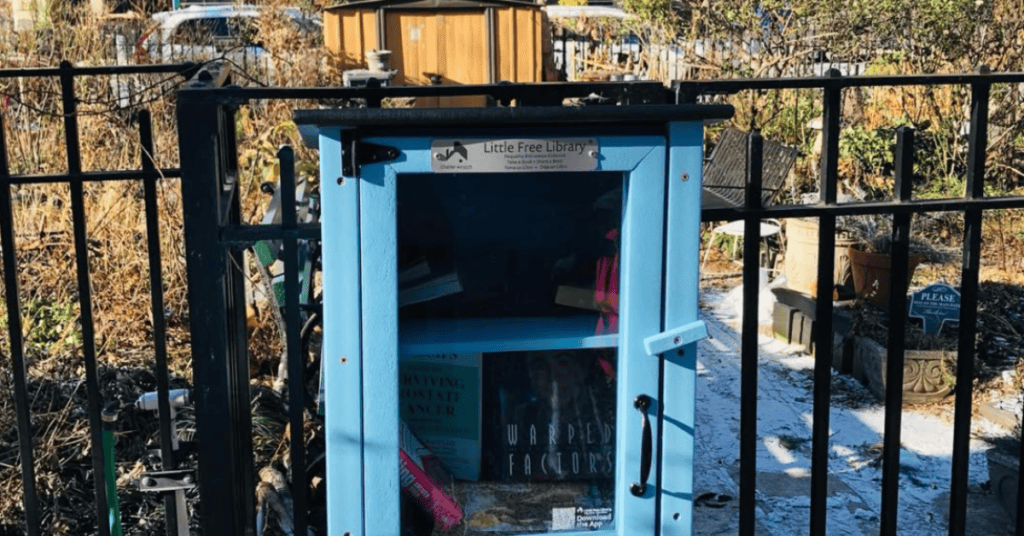
Books from a little free library or book exchange need careful handling before they join your home collection. You can protect yourself by treating each book donation as a potential risk and using our proven methods to eliminate bed bugs.
How to Quarantine New Books
Set up a quarantine zone, which can mean simply placing the books in a sealed ziploc or plastic bag. This sealed bag should be away from your living areas and bedrooms.
Get a Thermal Strike Ranger Bed Bug Heater (My Favorite)
The Thermal Strike Ranger uses heat to kill bed bugs at all life stages. You place books inside the insulated bag, and it heats them to 120-140 degrees Fahrenheit for several hours.
This method works faster than freezing and doesn’t damage most books. The heater is reasonably priced, given that it’s a household tool you’ll use regularly. Plus, you can heat treat just about anything in it.
Run the heater until the temperature says 120°F, then let it “cook” for another 30 minutes. Let books cool completely before handling them. This device is especially useful if you regularly pick up books from free libraries or book exchanges.
Cleaning and Inspecting Books Properly
We don’t think cleaning and inspecting is worth it. This is because things can get missed. If you just treat every used book as potentially having bugs, then you’ll be better equipped at never bringing them home.
Put Your Books into a bag, then into the Freezer.
Double-bag books in sealed plastic freezer bags to prevent moisture damage. Squeeze out as much air as possible before sealing.
Place the bags in your freezer and let them reach 0 degrees Fahrenheit or lower. Leave them there for at least a week. This kills bed bugs and their eggs.
Must Know Things for Little Free Library Stewards to Prevent Bed Bugs
As a little free library steward, you play a key role in keeping your book collection safe from bed bugs. Regular checks of donated books and clear communication with your community help prevent infestations before they start.
Maintaining a Safe; Bed Bug Free Book Collection
You should inspect every book before adding it to your little free library. Look for small brown or black spots on pages and bindings, which could be bed bug droppings. Check the spine area of hardcover books carefully, as bed bugs often hide there.
Keep your charter sign area and the inside of your library clean and free from clutter. Bed bugs need places to hide, so removing extra items makes your space less appealing to them.
Consider these regular maintenance steps:
- Check books weekly for signs of bugs or damage.
- Remove any books with suspicious stains or spots.
- Wipe down the inside of your library monthly.
- Keep books standing upright when possible to make inspection easier.
- If you want to go above and beyond, place all books into the Thermal Strike on a weekly basis
Store extra books in sealed plastic bins away from your home’s living areas. If you notice a problem book, seal it in a plastic bag immediately and remove it from circulation. Don’t add upholstered items or fabric bookmarks to your little free library.
Educating Users About Book Safety and Bed Bugs
You can post a simple notice inside your little free library explaining how to spot bed bugs. However, some folks may not want to put the idea into people’s heads that the Little Free Library could be a source. So posting a note is up to you. Your steward account dashboard may have printable resources you can use. Keep the message friendly and factual.
Include basic tips, such as holding books away from clothing and bags while browsing. You can add a small sign that says: “Please inspect books before taking them home.”
When you start a little free library, think about adding bed bug prevention to your community guidelines. Share this information on your neighborhood social media pages or community boards.
Tell library users what to do if they find a book they think may have been exposed to bed bugs. Give them clear steps, like first sealing the book in a plastic bag. Then secondly, either disposing of the book or treating it. This helps protect other users without creating fear.
Responding to Reports of Bed Bugs is a Must
Act quickly if someone reports finding bed bugs in a book from your library. Remove all books immediately and seal them in plastic bags. Contact your local pest control expert for advice on treatment options.
You can treat books by sealing them in bags and freezing them at -20° Celsius for a week. Or you can also treat books by using the Thermal Strike on a regular basis.
Don’t restart your little free library until you’ve addressed the problem. Clean the entire structure with soap and water, so you remove any suspicious debris. Check the area around your charter sign and all corners carefully.
Let your community know you took immediate action. Then, post a notice like “Temporary maintenance in progress”. Doing this will show everyone that you handled the matter without causing panic. Once you’ve treated or replaced affected books, you can safely reopen your library with fresh donations. However, you’ll need to be mindful, as someone in your community using the library may be suffering from an infestation.