
Spring cleaning is about more than making your home look nice. It’s also an important time to protect your bed from unwanted pests like bed bugs, dust mites, and carpet beetles. These tiny bugs love bed for various reasons and can quickly make your mattress and bed frame their home if you’re not careful.
Regular cleaning and smart preventive measures during spring can help prevent all kinds of bugs from living in your bed. Most of these are simple tasks like washing your bedding, checking your mattress, and reducing clutter. Which can all make a BIG difference. The good news is that most of these cleaning methods are easy to do and don’t require special skills or expensive products.
Now, let’s look at practical strategies you can use during spring cleaning to block bugs from invading your bed. These steps will help you protect your mattress and know exactly what to clean. Plus, more importantly, how often to clean it, allowing you to discover where bugs like to hide in your bedroom.
Use mattress encasements to seal and protect against bed bugs, dust mites, and carpet beetles

Mattress encasements work like giant, zippered, stretchy, breathable bags that cover your entire mattress. They form a barrier that keeps bugs out and traps any existing pests inside, where they can’t bite you. They are important if you also suffer from dust mite allergies. Check out our guide on getting rid of dust!
(affiliate links are in this article)
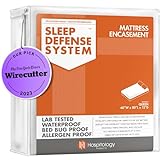
- Zippered mattress cover stretches to fit any Queen (60” x 80”) standard mattress depth from 12" to 18"
- 100% Waterproof barrier on all six sides of mattress - Lab-tested
- Extra-soft polyester knit fabric is cool and comfortable - breathable waterproof membrane won't trap heat
- Can help improve sleep by reducing common substances that can reach the sleeper and disrupt respiratory function
- Machine washable - Tumble dry low - 5-Year Limited Manufacturer’s Warranty
Regular mattress protectors only cover the top of your bed. Encasements are different because they wrap around all six sides of your mattress with a secure zipper. This complete coverage stops bed bugs, dust mites, and carpet beetles from getting in or out.
When you use an encasement, any bugs already living in your mattress get sealed inside. They can’t reach you to feed, so they eventually die. At the same time, new bugs can’t hide out in your mattress seams.
Encasements also make it easier to spot bugs during inspections. You won’t need to check inside every fold and seam of your mattress. The bugs will be trapped on the smooth outer surface, where you can see them.
Make sure to get encasements for both your mattress and box spring. Bugs hide in both places, so protecting just one won’t solve the problem.
Wash all comforters and pillow covers monthly in hot water and dryer

Usually, people don’t wash the comforters and decorative pillows as much as they should. These items need to be washed regularly, especially if you have allergies or are worried about bugs. Washing your comforters and pillow covers once a month helps keep bugs away from your bed. Hot water is your best friend when it comes to killing dust mites and other pests that might be hiding in your bedding.
Set your washing machine to the hottest water setting that’s safe for your fabric. Water over 130 degrees Fahrenheit kills dust mites effectively. If you’re worried about damaging delicate fabrics, you can wash them in cooler water and use high heat in the dryer instead.
Make sure there’s enough space in your washer for your comforter to move freely. You might need to visit a laundromat with larger machines for bulky items. This ensures everything gets properly cleaned.
After washing, dry everything on high heat for at least 45 minutes. The dryer’s heat kills any remaining bugs and their eggs. Check the care labels on your bedding first to make sure high heat won’t damage the material.
This monthly routine keeps your bed fresh and bug-free year-round.
Wash all sheets twice weekly

Washing your sheets twice a week is one of the best ways to keep bugs away from your bed. This regular cleaning removes dead skin cells, body oils, and dust that some bugs love to feed on.
A hot dryer works best for killing any bugs or eggs that might be hiding in your bedding. You can also use the washing machine at the hottest temp. The high temperature will eliminate pests that could be hiding in the fabric.
Pillowcases also collect sweat, oils, and dead skin. Wash them with your sheets for the best results.
After washing, dry everything on high heat for at least 45 minutes. The heat from the dryer adds extra protection by killing any remaining bugs or eggs that survived the wash cycle.
Get a few sets of light colored sheets. Using a light color will help you see any suspicious stains or marks. Then you can switch them out quickly and always have a clean set ready to go. This simple habit keeps your bed fresh and makes it harder for bugs to set up shop. Plus, it allows you to really scrutinize your bedding twice a week. When you change the sheets more often, you’ll be more aware of anything suspicious.
Vacuum your mattress seams and bed frame thoroughly

Bugs and dust mites love to hide in the seams and folds of your mattress. These spots collect dead skin cells and debris that pests feed on. That’s why you need to pay special attention to these areas when you vacuum.
Use the crevice attachment on your vacuum to get into tight spaces. Run it slowly along every seam and fold of your mattress. Don’t forget to vacuum the sides and top surface too.
Your bed frame also needs attention. Dust and bug eggs can settle on the slats and foundation under your mattress. Vacuum these areas carefully to remove any buildup.
Make sure to vacuum under your bed, too. Dust gathers there and can work its way back onto your mattress.
For best results, vacuum your mattress every three months. If you have allergies or pets that sleep on your bed, do it monthly. This regular cleaning helps prevent bugs from making your bed their home and keeps your sleeping space fresh.
Inspect bed frames and box springs during spring cleaning

Spring cleaning is the perfect time to check your bed frame and box spring for bed bugs or carpet beetle larvae. These pests love to hide in dark spaces.
Start by removing all your bedding and mattress. Look closely at the seams, piping, and tags of your box spring. Examine for small dark spots that look like black ink stains. The black ink-like stains can be an early sign of bed bugs.
Don’t forget to flip your box spring over and inspect the underside. You might need to remove the stapled fabric to see inside, where bugs often hide. If you have the encasement on it, then just check the outside surface. But if you don’t have an encasement on yet, this is a good time to install one.
Turn your bed frame upside down if you can and take it apart to check every crack and corner.
Bed bugs + carpet beetle larvae are tiny and good at hiding, so use a flashlight to see better. Look in any holes, gaps, or joints in the wood or metal. Check where the frame connects to the headboard, too.
If you see any bugs or signs of them, act fast before the problem spreads. Regular checks during spring cleaning help you catch infestations early when they’re easier to handle.
Place sticky traps behind the bed

Sticky traps are effective at catching bed bugs, roaches, beetles, and mites before they reach your mattress. We’ll link to the traps we’ve seen work well for catching all kinds of bugs here.
Place the traps along your baseboards behind your bed frame. This catches bugs as they try to climb up from the floor. You should also put traps under each leg of your bed to stop bugs from crawling up.
The tape traps bugs when they walk across the sticky surface. Check your traps every few days to see if you’ve caught anything. This helps you spot a problem early before it gets worse.
For best results, place traps near other furniture in your bedroom too. Put them under nightstands and dressers where bugs might hide. You want to create barriers that catch bugs as they move around your room.
Replace sticky traps every two weeks or when dusty. Dust reduces their effectiveness.
Use rubbing alcohol sprays on the bed frame, cracks, and crevices.

Rubbing alcohol can target bed bugs and other pests hiding in bed frame joints, cracks, and crevices.
Use 91% isopropyl alcohol in a spray bottle. Apply it directly to the seams and gaps in your bed frame. Open all windows when spraying rubbing alcohol, and do it at your own risk.
Pay special attention to the wooden and metal parts of your bed frame. (but be careful because it can damage the wood) Look for any small openings where bed bugs might hide and treat those areas thoroughly.
Keep in mind that rubbing alcohol only kills bed bugs on contact. It won’t reach eggs or bugs deep inside wood or metal. You’ll need to reapply it regularly, as its effect doesn’t last long.
Use rubbing alcohol as part of your routine, not your only solution. For severe issues, seek professional help.
Declutter bedroom floors to reduce hiding spots for bugs

Bugs like bed bugs love clutter because it gives them safe places to hide during the day. A busy floor makes it harder to find and remove these pests. We have a guide on decluttering your room.
Start by picking up everything from your floor. This includes clothes, shoes, books, magazines, and other items that might have piled up over time.
Store what you want in sealed containers or bins. Place unneeded items directly into trash bags and take them outside immediately. Don’t leave these bags in your room.
Pay special attention to the area around and under your bed. Bed bugs often hide in these spots, so keeping them clear makes a big difference. Try to avoid storing anything loose under your bed if possible. Use containers.
Once your floor is clear, it becomes much easier to vacuum and spot any bug signs. A clean, clutter-free floor also helps you notice problems early before they get worse. Make it a habit to keep your bedroom floor tidy going forward.
Regularly steam clean the bed frame & mattresses to kill bed bugs and eggs

Steam cleaning is one of the best ways to get rid of bed bugs without using chemicals. The high heat from a steamer kills bed bugs and their eggs on contact.
Use a high-quality steam cleaner that reaches 160-180 degrees Fahrenheit to ensure effective bed bug control. We love and use the Dupray NEAT steamer regularly.

- Powerful Chemical-Free Cleaning: Generates superheated steam up to 275°F/135°C to effectively lift dirt, grease, and grime from a variety of surfaces without using harsh chemicals. Clean. sanitize. Refresh. Detail. Deodorize. Multiple surfaces, naturally with just water
- 17 Multipurpose Accessories: Our versatile kit is engineered for whole-home cleaning, from grout lines and ceramic tile to sealed floors, appliances, car interiors, carpets, upholstery and more
- Compact & Portable Design: Lightweight, easy to maneuver, and sleek—perfect for effortless cleaning in tight spaces, corners, and hard-to-reach areas
- Large Tank Capacity: Long run time of 50 minutes of continuous steam per fill, enabling hours of deep cleaning sessions without the hassle of frequent refills
- Lightweight, engineered for reach: long hose and extension tubes let you leave the steamer in place while you move easily around floors, walls, car interiors, corners, and tight spaces with no need to bend
Move the steamer slowly across your entire frame & mattress. Pay extra attention to seams, corners, and crevices where bed bugs like to hide. Don’t rush this process; you need the heat to penetrate deeply enough to kill everything.
Steam cleaning also removes dust mites, bacteria, and stains. It’s a practical option for a cleaner, healthier bed.
You should steam clean your mattress every few months as part of your regular cleaning routine. This helps prevent bed bugs from coming back and keeps your sleeping space fresh. Combine steam cleaning with regular vacuuming and washing your bedding in hot water for the best protection.
Keep clutter away from the bed during your spring cleaning

Bugs love hiding in piles of stuff near your bed. When you leave clothes, books, and other items on the floor, you create ideal hiding places for bed bugs and other pests.
Start by removing everything from around your bed frame. Pick up dirty laundry and put it in a hamper. Store clean clothes in your dresser or closet instead of leaving them on chairs or the floor.
Keep items like shoes, bags, and backpacks away from your bed. Store them in your closet or across the room. Bed bugs can hitch rides on these items and end up on your mattress.
Clear off your nightstand, too. Only keep what you actually use every day. Extra clutter gives bugs more places to hide during the day before they come out at night.
Make it a habit to put things away right after you use them. This stops clutter from building up again. Your bed should have clear space around it on all sides. This makes it harder for bugs to crawl up and keeps your bedroom cleaner overall.
Why Bugs Are Drawn To Beds
Your bed provides the perfect environment for bugs because it offers warmth, food, and places to hide. Understanding what draws these pests to your sleeping space helps you take better steps to keep them away.
Common Factors That Invite Bugs
Body heat and carbon dioxide are the main things that attract bed bugs to your mattress. When you sleep, your body releases carbon dioxide with each breath. Bed bugs can sense this gas from several feet away and use it to find you.
Your body heat also serves as a signal to bugs. They prefer temperatures between 70 and 80 degrees, which matches the warmth your body creates under the covers.
Dirty laundry and unwashed bedding give bugs more reasons to stick around. Used sheets and pillowcases trap dead skin cells, sweat, and body oils. These materials provide food for dust mites and create a welcoming space for other pests.
Clutter around your bed gives bugs perfect hiding spots during the day. Bed bugs are about the size of an apple seed and need small, dark spaces to stay hidden. Piles of clothes, boxes under the bed, or items pushed against your headboard create these ideal hideouts.
Seasonal Changes And Pest Activity
Spring brings warmer temperatures that make some bugs, like carpet beetles, more active. As the weather heats up, carpet beetles search for new places to lay their eggs. But bed bugs are an indoor pest, so spring does not usually increase their activity.
Travel during spring break and holidays increases your risk of bringing bugs home. When you stay in hotels or visit other homes, bed bugs can climb into your luggage or attach to your clothes. March and April are peak travel months when these transfers happen most often.
Changes in humidity in spring also affect bug behavior. Higher moisture levels in the air help certain pests (like dust mites) survive better indoors. Your mattress can trap this moisture, creating an even more comfortable environment for bugs to settle in.
Maintaining A Bug-Free Sleeping Environment
Keeping bugs away from your bed requires consistent mattress care and controlling the moisture levels in your bedroom. These two factors work together to make your sleeping space less attractive to pests.
Proper Mattress And Bedding Care
You need to vacuum your mattress every month to remove dust mites, dead skin cells, and other debris that attracts bugs. Use your vacuum’s upholstery attachment and go over all sides of the mattress, paying extra attention to seams and crevices where bugs like to hide.
Wash your sheets, pillowcases, and blankets in hot water / dryer every week. The heat kills bed bugs and dust mites at all life stages. Set your dryer to the highest heat setting for at least 30 minutes.
Use a mattress encasement to completely seal your mattress. This zippered cover traps any existing bugs inside where they can’t feed or reproduce, and it prevents new bugs from getting in. Check the encasement regularly for tears or holes.
Reduce clutter around and under your bed. Bugs hide in piles of clothes, boxes, and other items on the floor. Keep the area clean and clear to eliminate hiding spots.
The Role Of Room Humidity In Pest Prevention
Dust mites thrive and proliferate in environments with relative humidity above 50%. You should keep your bedroom humidity between 30% and 50% to make it harder for these pests to survive.
Use a dehumidifier if you live in a rainy, humid climate. I have to mention that it’s important to empty the water tank daily and clean the unit according to the manufacturer’s instructions to prevent mold growth.
Run your air conditioner during warm months. Cool air holds less moisture than warm air, naturally lowering humidity in your room.
Open windows on dry days to improve air circulation. Good airflow helps moisture escape and keeps your mattress from becoming damp. Avoid opening windows on rainy or very humid days, as this can bring in more moisture.